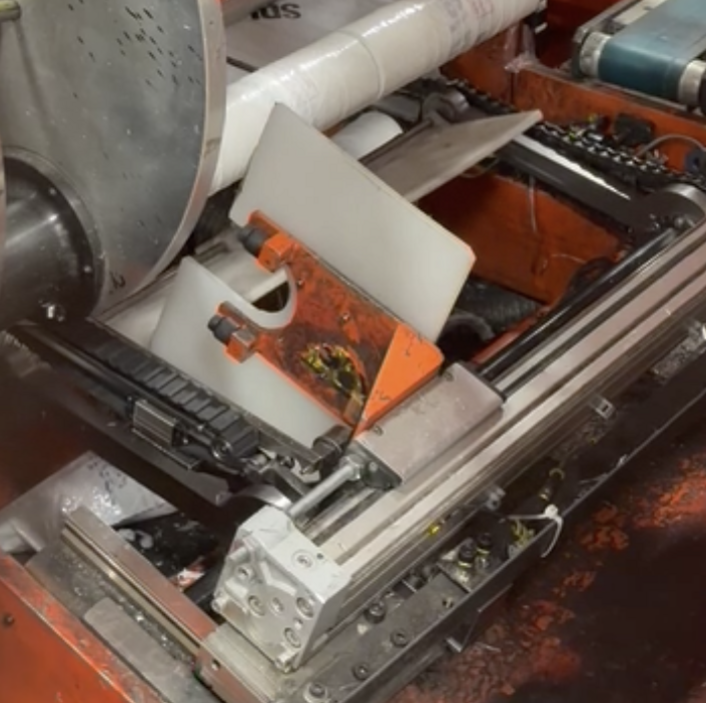
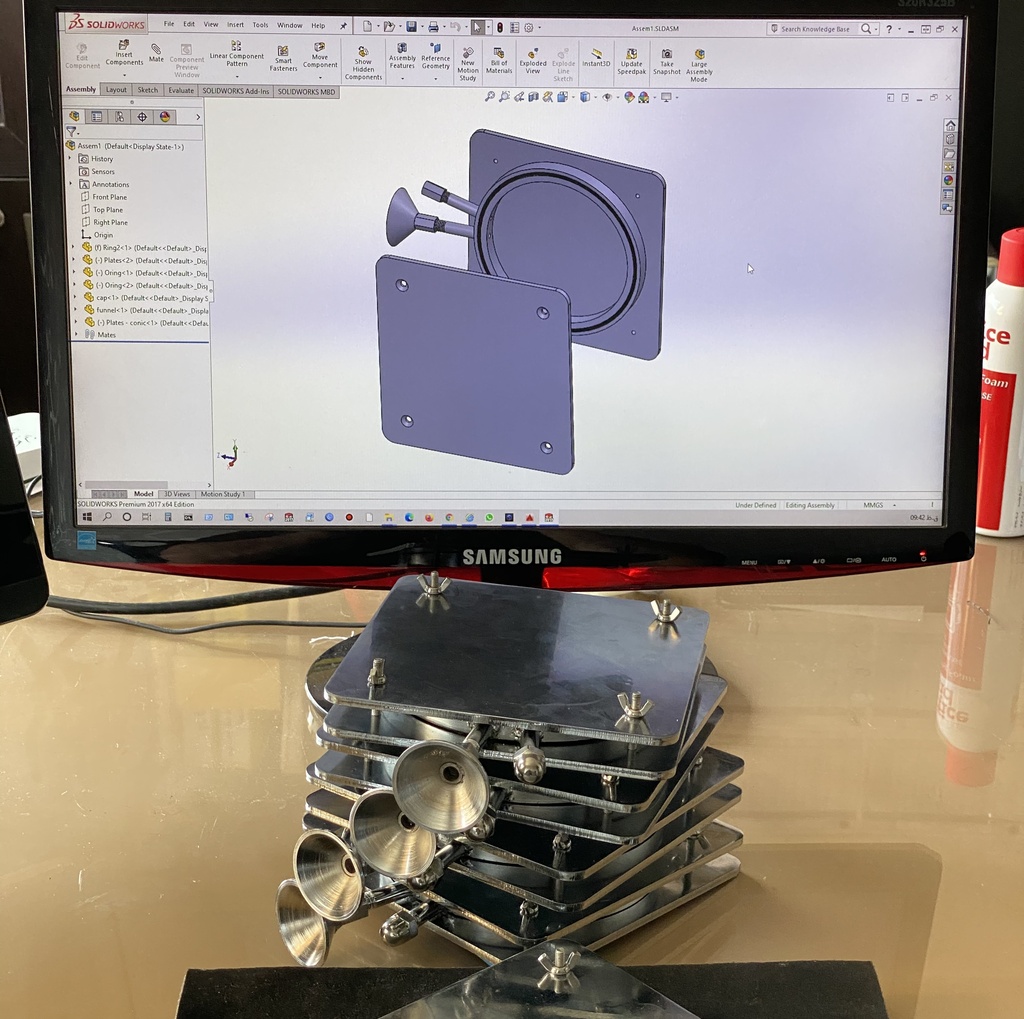
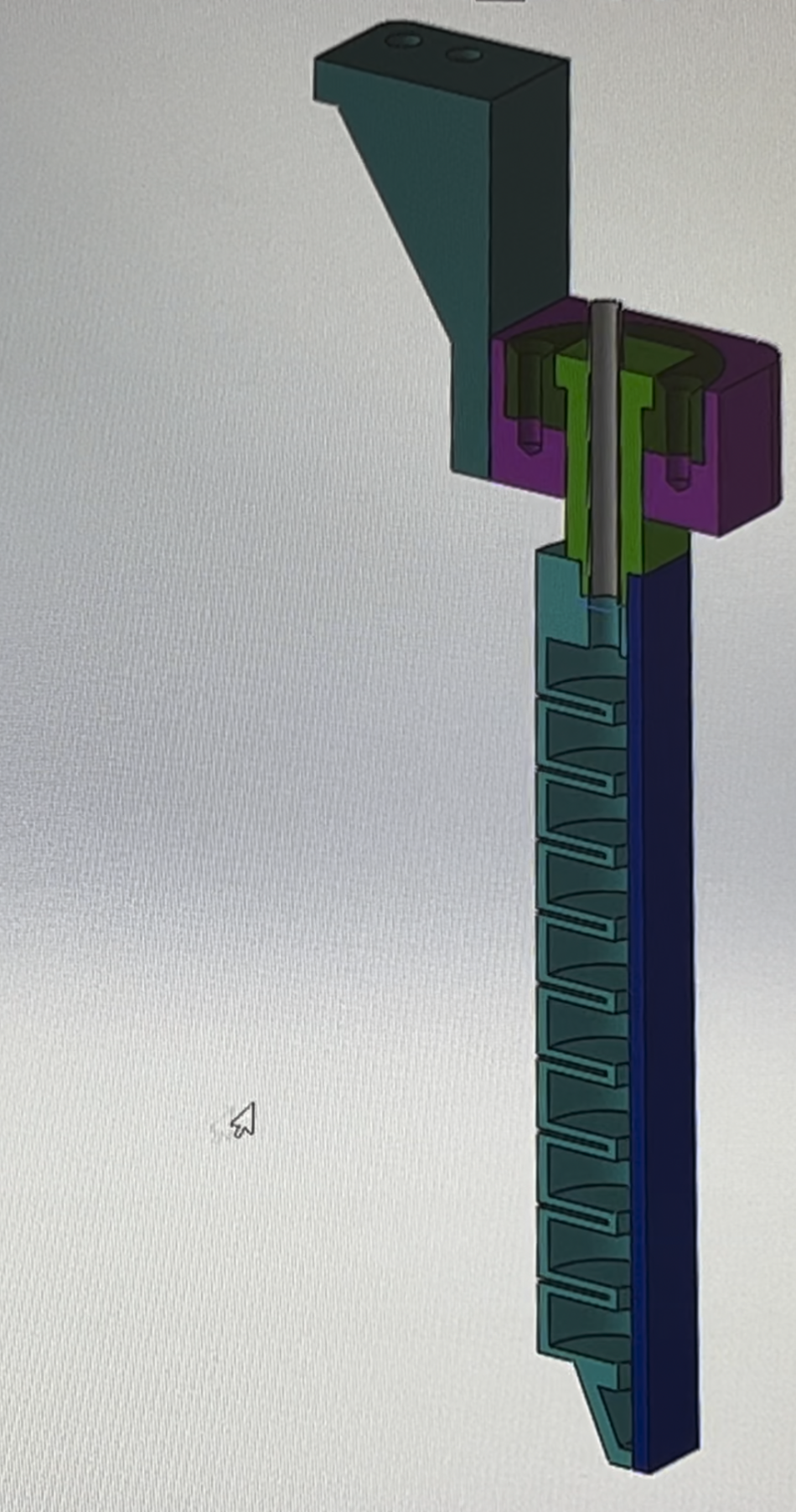
The objective of this project was to design an innovative mechanical solution that securely holds and advances plastic film between two rotating mandrels for approximately 10 seconds, enabling the wrapping system to consistently initiate the wrapping cycle. Previously, this task required manual operator intervention: the operator had to stop the machine, enter the machine cage, and physically insert the film between the mandrels at the start of each wrapping cycle. The goal was to eliminate manual involvement, reduce hazards and downtime, and improve operational consistency and efficiency.
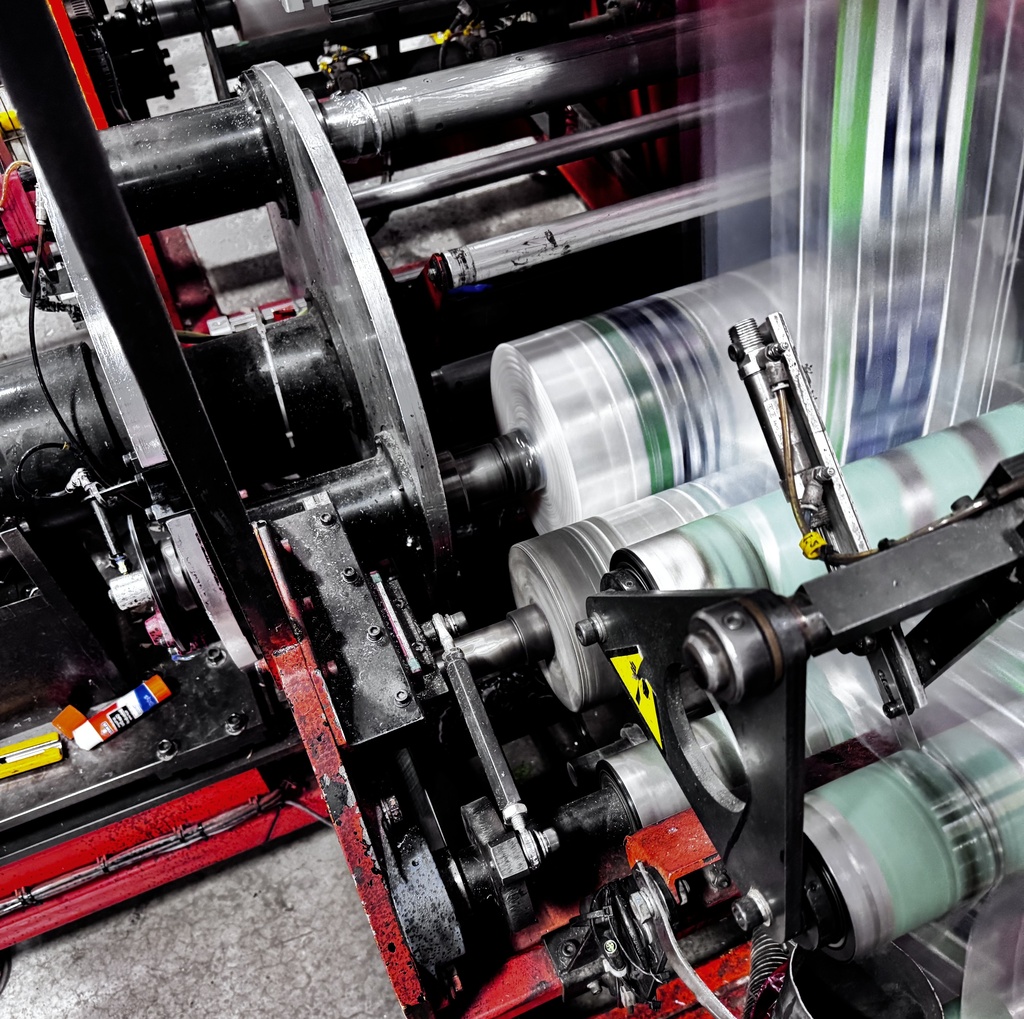
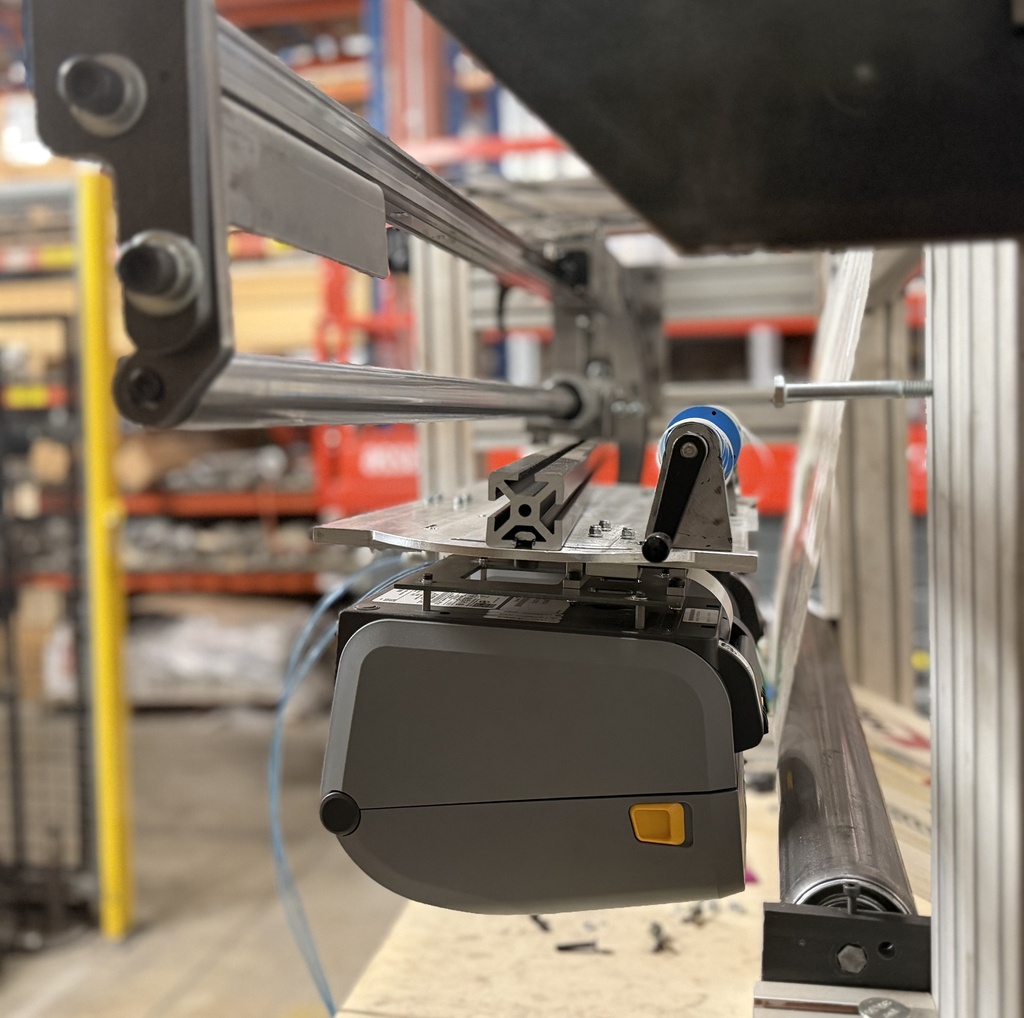
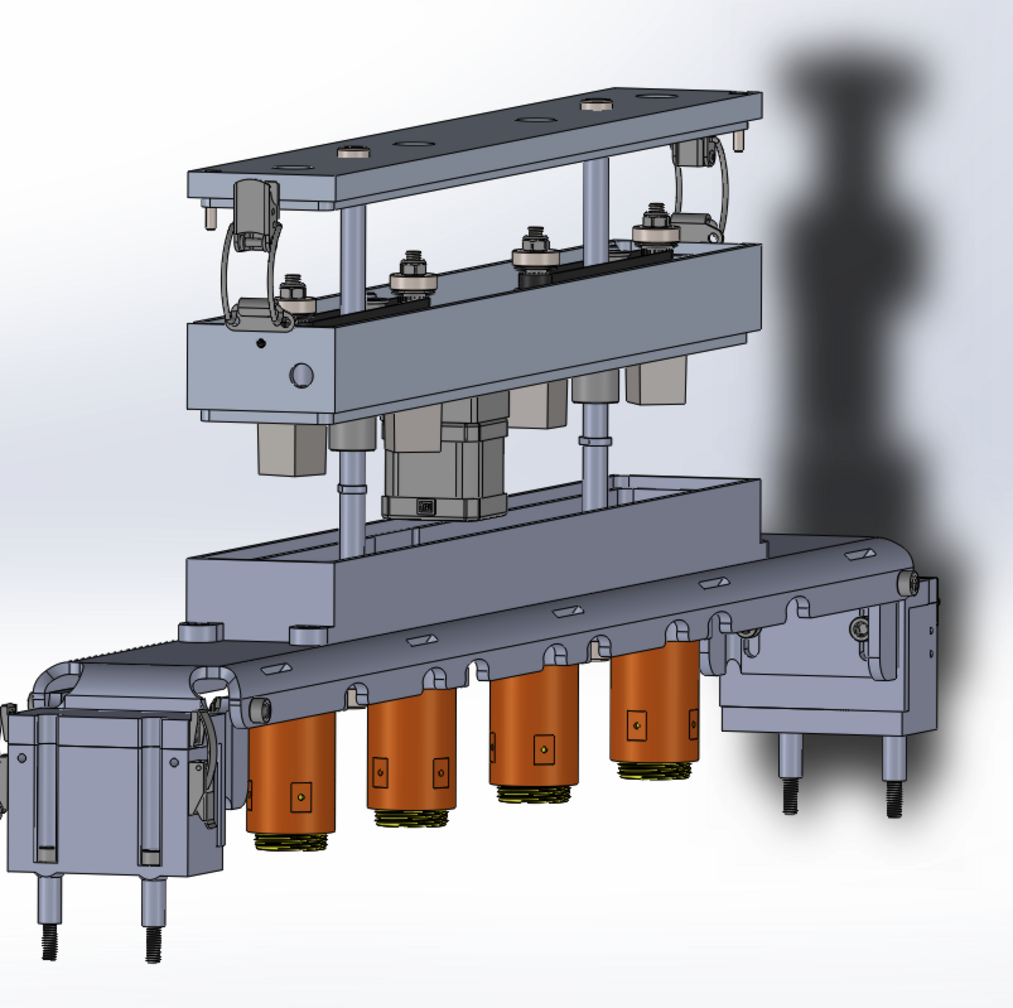
This project involved developing a compact inline labelling system that printed and applied a roll identification label before the wrapping stage, ensuring it became the first internal layer of the finished roll. Designed for a 24/7 production line with limited space, the solution featured dual inverted printers on a moving tray, a precise label application mechanism, automatic waste rewind, and a rail system for easy maintenance.

On a client packaging company’s wrapping machine, the remaining film tail after cutting needed to be wrapped around the finished roll without adding new actuators. A flipped-belt mechanism was designed to intermittently engage the mandrel and rotate it for tail wrapping, while a brush mechanism pushed the film toward the roll.

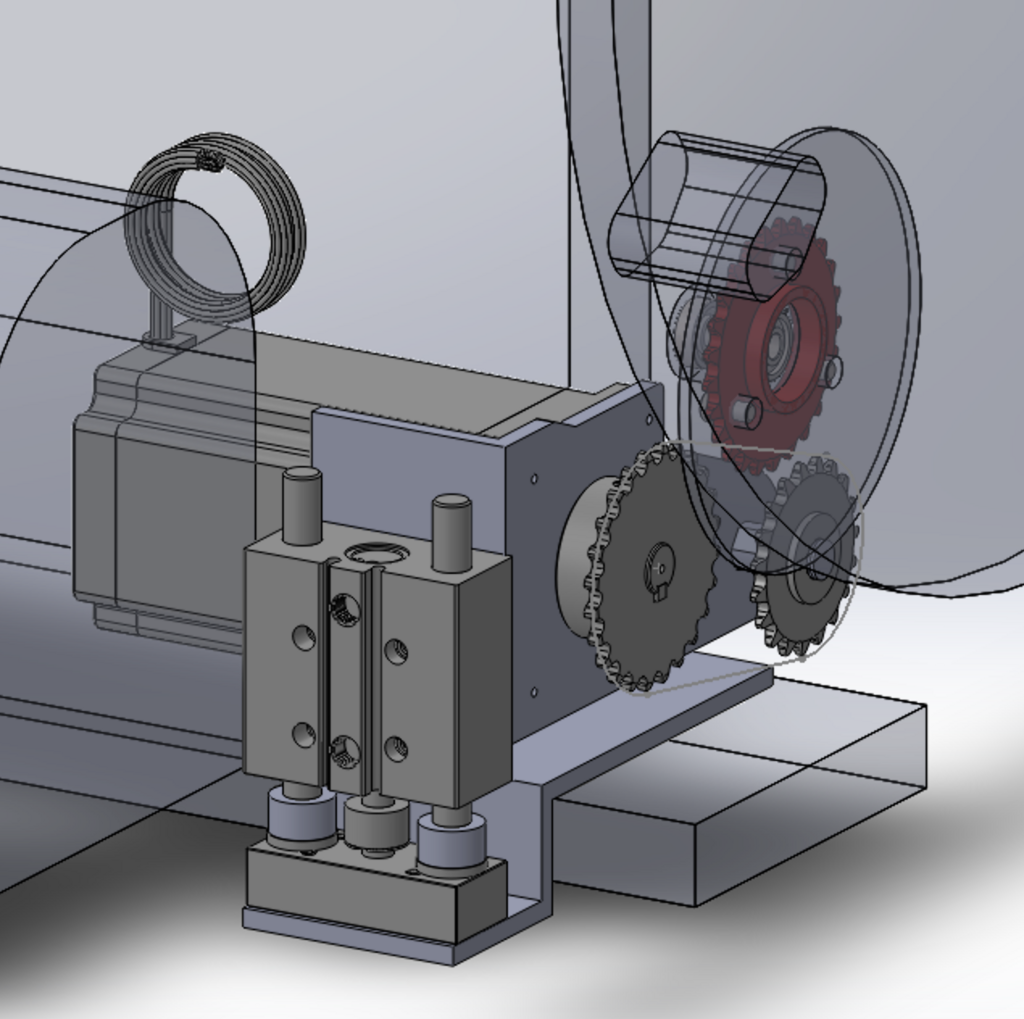
A mechanism was designed for a packaging machine to automatically wind up the film tail remaining after the cutting process. Using a chain-driven system with pneumatically controlled engagement and a stepper motor integrated with the machine PLC, the target mandrel rotates to wrap the film tail around rolls of varying sizes, ensuring clean and consistent product finishing.

This project focused on designing an automated mechanism to apply glue to a specific line on the film over a packaging film machine during the wrapping process. The system replaced a manual, potentially hazardous operation in which operators had to stop the machine and apply glue inside the safety cage. By integrating a motor-driven gluing mechanism above the film path, the process became fully automated, improving efficiency, reducing downtime, and enhancing operator safety.

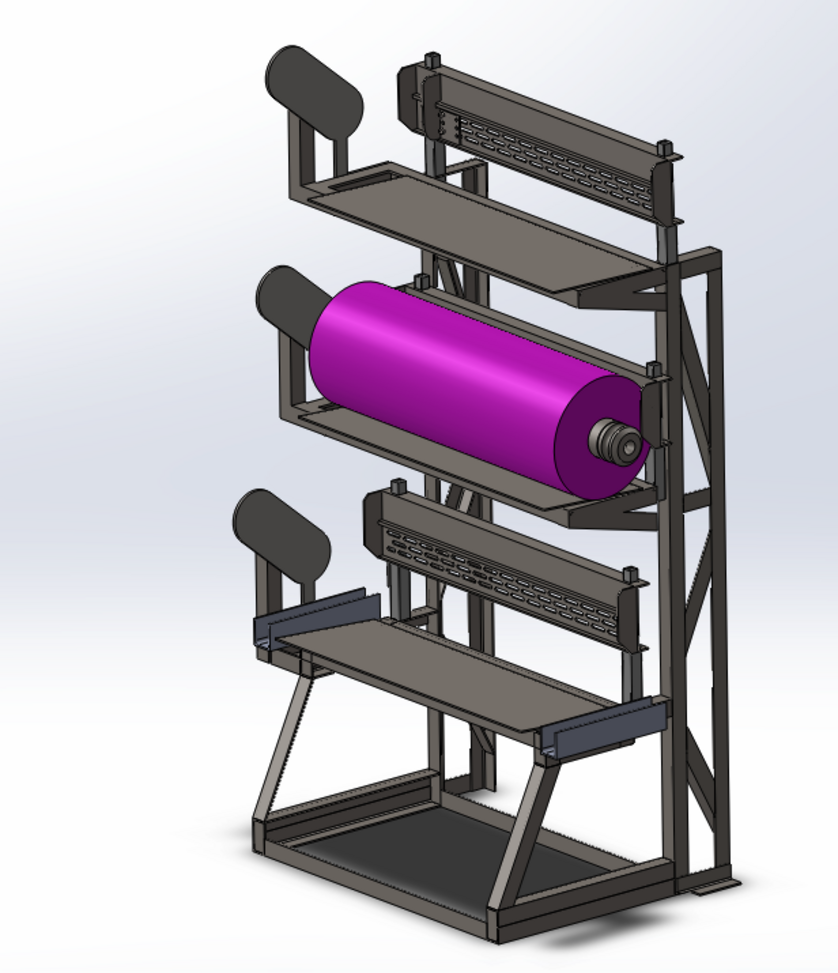
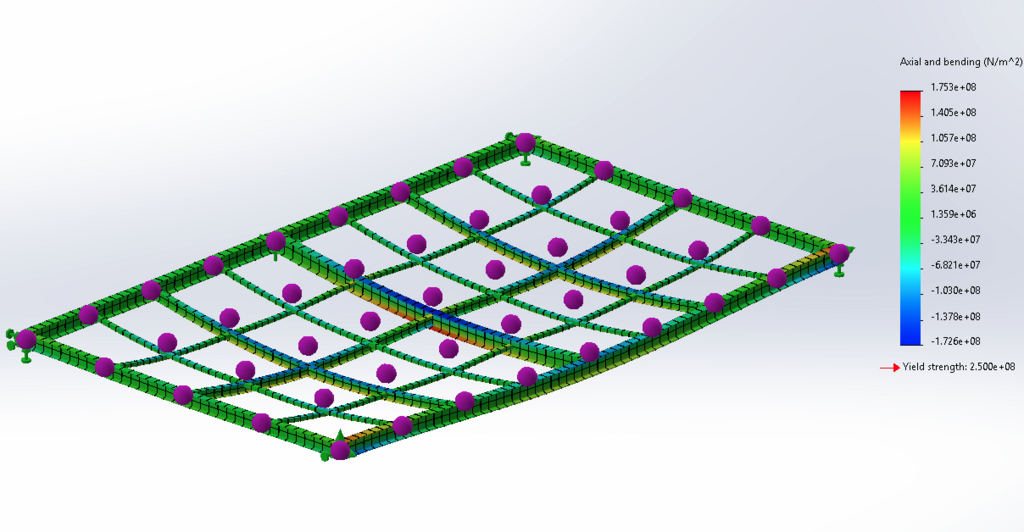
This project involved redesigning a roll loading trolley to improve maneuverability and roll positioning during machine loading. The new design reduced the trolley’s weight and introduced positioning handles that automatically align the rolls in their optimal position. Structural analysis was also performed to ensure the trolley could safely withstand operational forces while providing a more ergonomic and efficient solution.

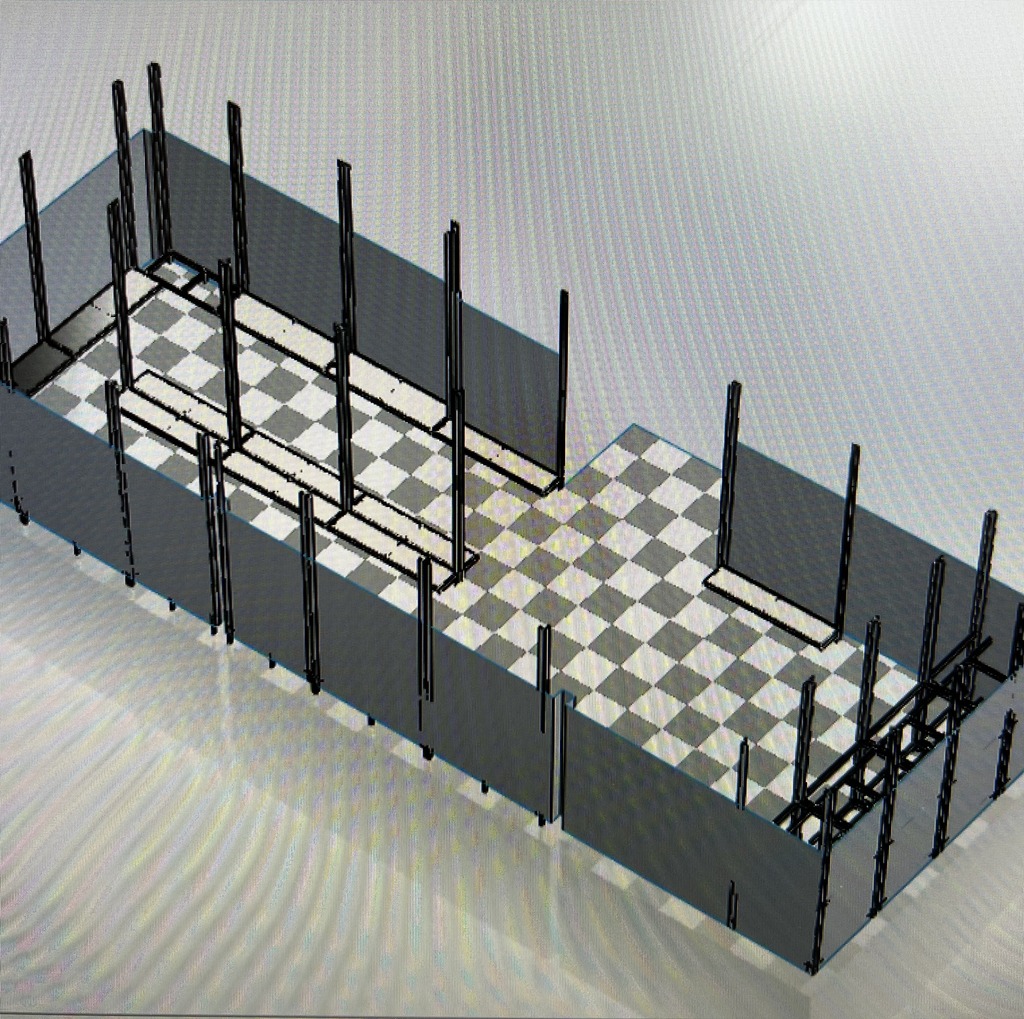
Designed a steel mezzanine structure inside an existing warehouse at a height of 4.5 m to increase storage capacity. The structure was engineered to support 300 kg/m² with a safety factor of 2, including columns and floor supports, along with detailed fabrication drawings for manufacturing and installation.

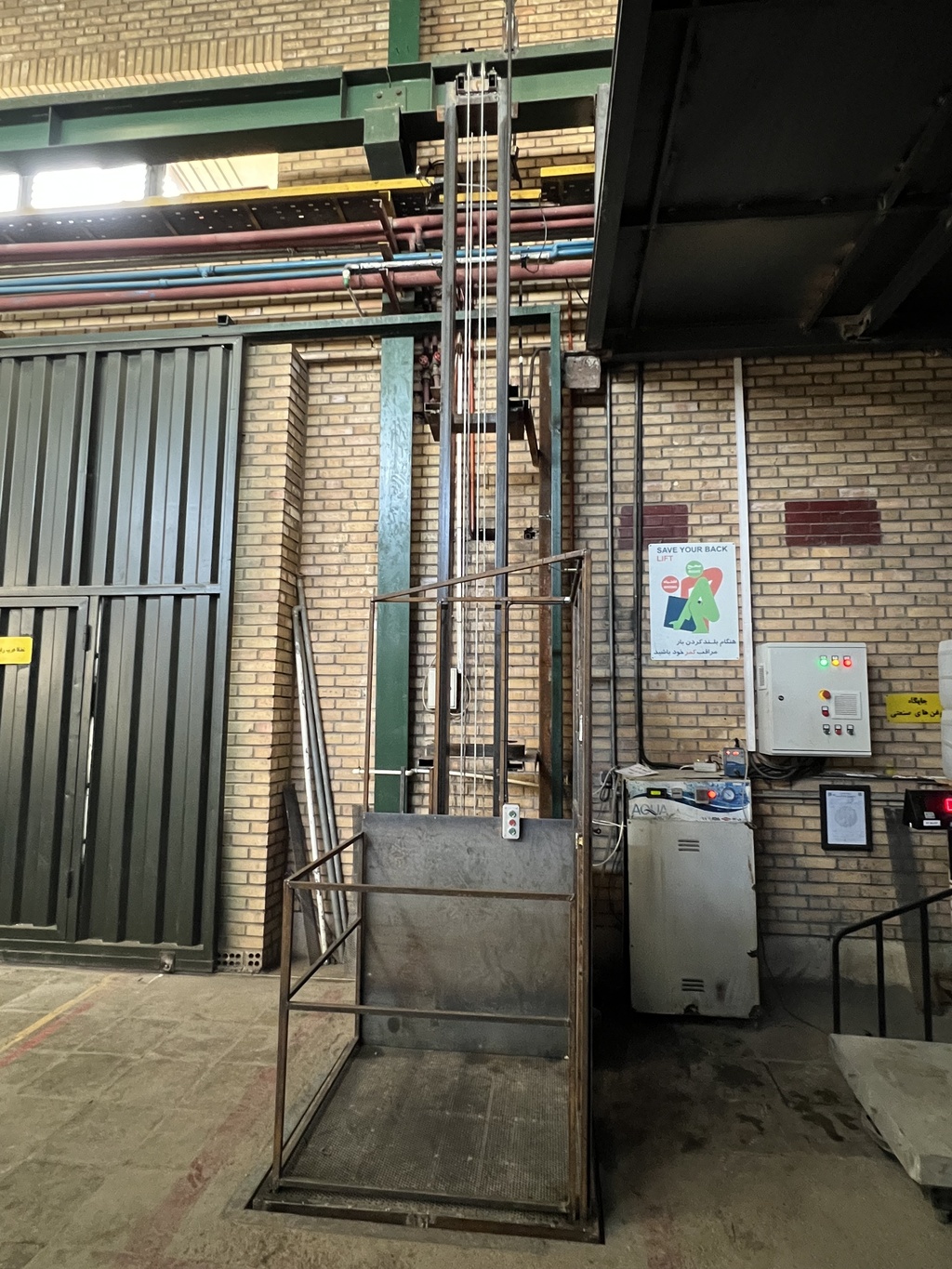
This project involved designing a versatile industrial lift capable of safely transporting both personnel and materials. The system included removable safety guards and a 1,000 kg lifting capacity, allowing it to adapt to different operational needs while complying with regional safety regulations.

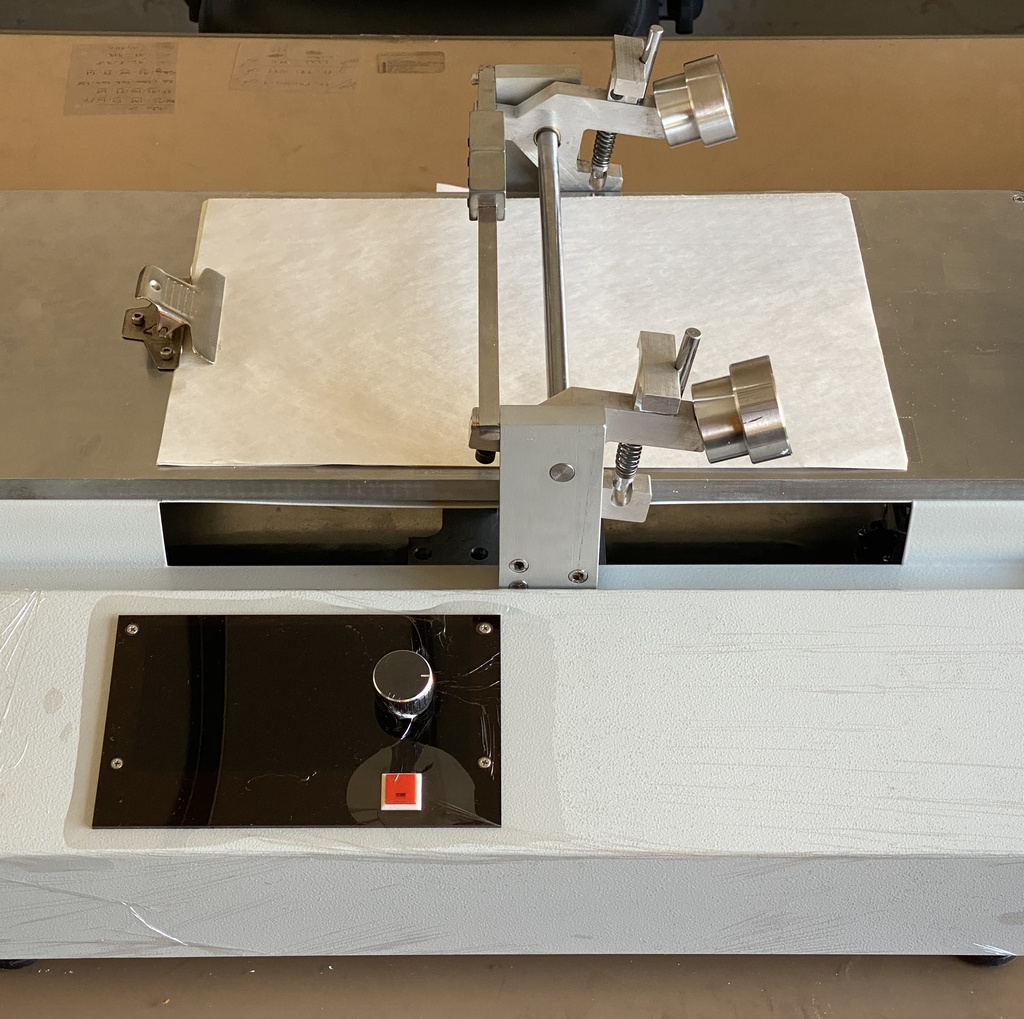
Reverse-engineered and tailored an automatic film applicator to fulfill specific client needs. Integrated a stepper motor with a belt-driven mechanism to ensure stable and adjustable operating speeds, followed by comprehensive system programming and complete assembly.